
The town that sits on top of its mines
Wadsworth’s history is under its streets. According to the city, coal mining took off here in the mid-1880s once the railroad arrived, and at one time almost all of Wadsworth rested above coal mines. The coal was soft, dug by hand and hauled by mule through shafts about four feet high. The Silvercreek Mine once shipped more than 1,100 tons in a single day. Mining had almost entirely stopped by the 1930s, but the city notes that the shafts are still networked beneath Wadsworth.
For a homeowner, that history is worth knowing, not worth panicking over. Plenty of houses here have stood for a century without trouble. But if you have a cracked foundation wall, a sloping floor or a driveway that has dropped, a buyer’s inspector will ask about the cause, and the old mines will come up. We buy houses with foundation problems as they are, and we’d rather hear about the crack during the walkthrough than have it surprise anyone at closing.
Matches, salt and the houses they built
Industry shaped Wadsworth’s older neighborhoods. In the early 1890s, a group led by the Young brothers founded the Ohio Injector Company, the Ohio Match Company, the Ohio Boxboard Company in Rittman and the Wadsworth Salt Company. The city’s Blue Tip Festival is named for the strike-anywhere blue tip matches made here until the 1980s. The salt works burned in 1927 and was never rebuilt.
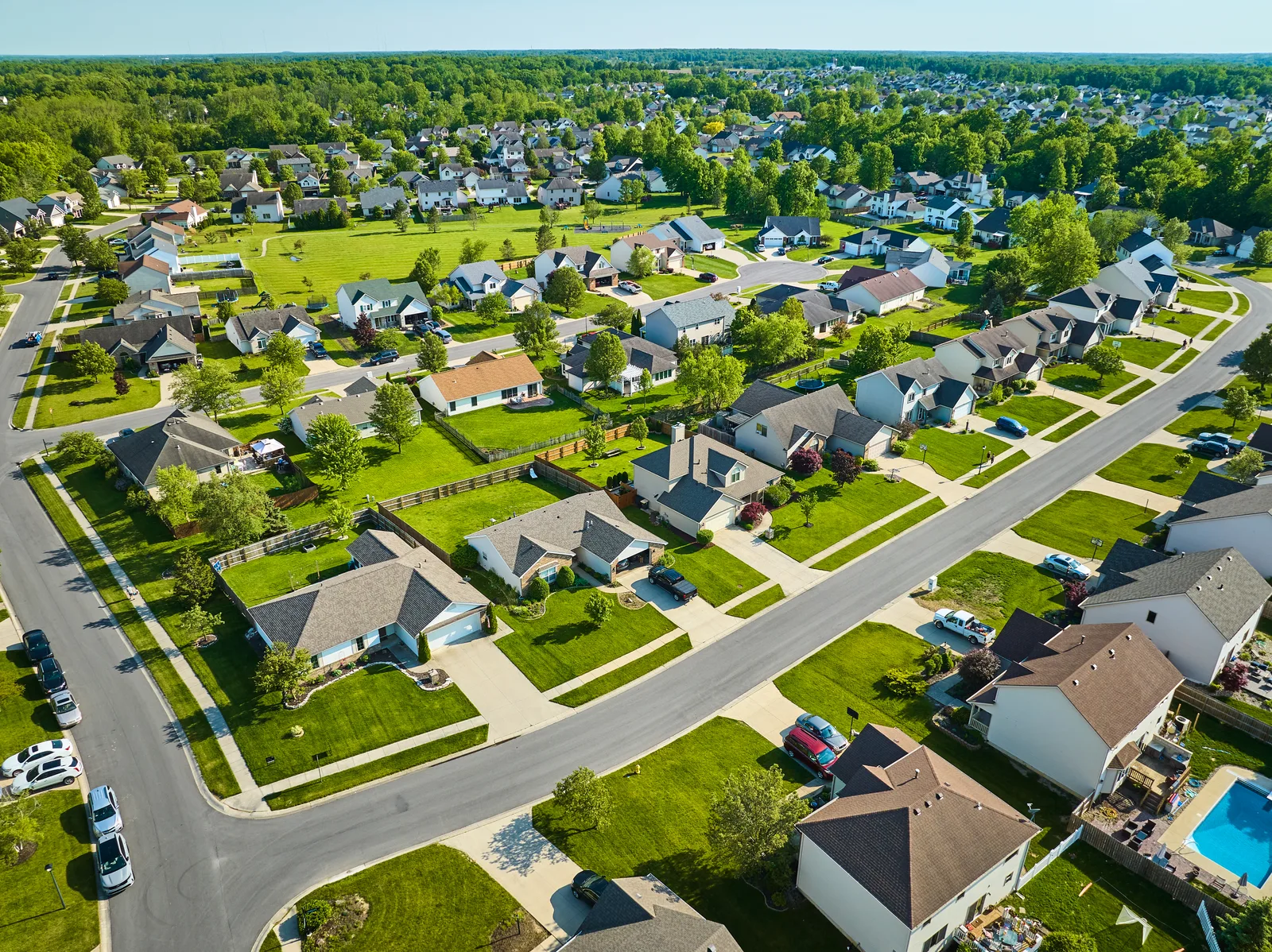
Those factory decades left a core of older homes near downtown. Then Wadsworth kept growing outward: the median home in the city today was built in 1978, about 13% date from 1939 or earlier, and about two-thirds are single-family detached houses. Interstate 76 runs through the city, with state routes 57, 94 and 261, which is part of why newer subdivisions filled in around the edges.
City utilities and what changes at a sale
Wadsworth sells its own electricity. The city has owned and operated its electric distribution system since 1916 and serves more than 13,000 customers under the CityLink name, which also offers fiber internet, streaming TV and phone. When you sell:
- Schedule final readings with the city for electric and water, and cancel any CityLink internet or TV.
- If the house is vacant, keep the power and heat on until closing. A frozen pipe in an empty house is expensive; see winterizing a vacant house.
- Any unpaid city utility balance should be settled at or before closing so it doesn’t follow the property.
Wadsworth also has its own municipal court, presided over by Judge Susana B. Lewis. For landlords, that’s where eviction cases in the court’s area are heard. If you’d rather sell a rental than go through an eviction, see selling a rental property.
Selling in Wadsworth: listing versus a direct sale
If your Wadsworth home is updated and you can wait for the right buyer, an agent will likely net you more than our offer, and we’ll say so.
We’re a better fit when the house:
- needs a roof, furnace or foundation work,
- belongs to an estate and nobody wants to manage showings,
- has tenants, or
- needs to close on your date, in as little as 7 days.
Medina County charges a $3 per $1,000 conveyance fee at closing, lower than Summit County’s $4. More on county-level costs and courts is on our Medina County page. When you’re ready, request a written offer.