
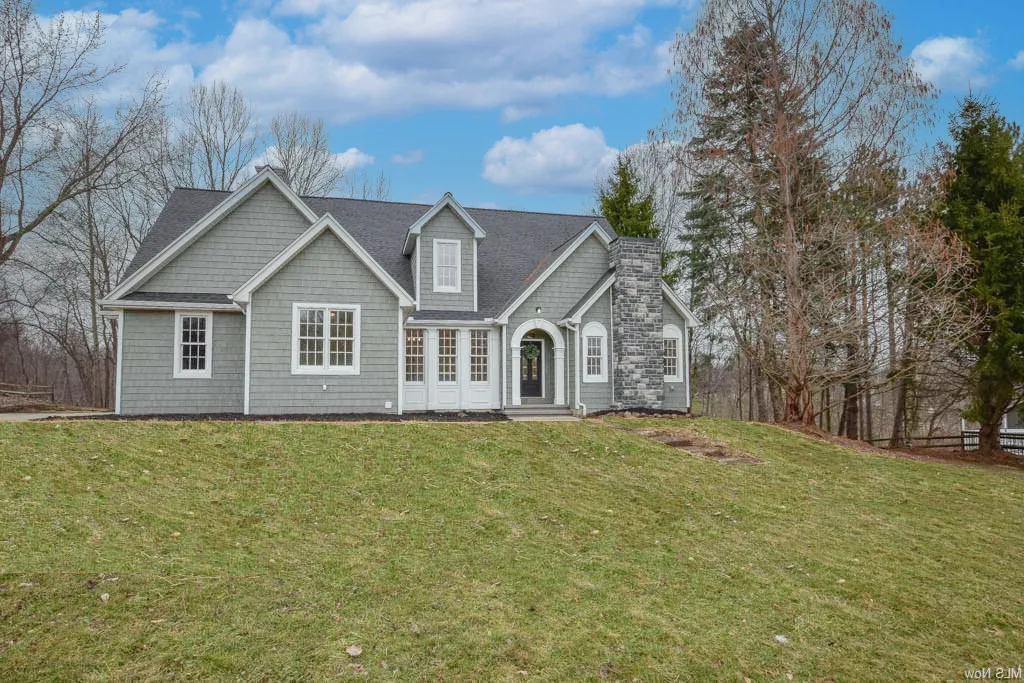
The stormwater disclosure on every Cuyahoga Falls sale
Every house sold in Cuyahoga Falls needs a stormwater inspection disclosure signed by both the buyer and the seller. It is the one city step that sets a Falls closing apart from most of Summit County.
How it works, from the city’s stormwater page:
- The inspection is free. It looks for clean water, such as downspouts, sump pumps or footer drains, flowing into the sanitary sewer instead of the storm sewer.
- If the inspection finds code violations, they must be repaired within 180 days.
- The forms are in the housing and development section of the city’s permits page.
The city adopted its point-of-sale chapter, Chapter 1306, in 2004, and the program has focused on stormwater since then. In practice, the question at closing is who will fix any violation and when. In an as-is sale, the buyer usually takes that on. The point-of-sale inspections guide compares the Falls rule with the exterior inspections in nearby cities.
Two school districts inside one city
Cuyahoga Falls is split between school districts because of its 1986 merger with Northampton Township, described as the first merger of a city and a township in Ohio.
- Cuyahoga Falls City Schools serve the original city. The high school sits near downtown.
- Woodridge Local Schools serve the former Northampton area in the northwest, and Woodridge High School is inside the city.
- Hudson and Revere each serve a small area at the edges.
For a buyer, the district can matter as much as the house, so a listing or an offer for a Northampton-side home is a different conversation from one near Front Street. Check your parcel record before you price.
Houses from the 1950s, on a river town founded in 1812
The median Falls house was built in 1959, and about one in five went up before 1940. William Wetmore founded the town in 1812 as Manchester, and it became a village in 1836.
The south edge follows the Cuyahoga River and its falls, with Akron directly across. Cuyahoga Valley National Park sits to the northwest, and Blossom Music Center, the Cleveland Orchestra’s summer home since 1968, is inside city limits.
Downtown has changed recently. Two blocks of Front Street became a pedestrian mall in 1978, and the city reopened them to cars on February 3, 2018. Along the southern border, Howe Avenue is the main commercial strip.
When a Falls house should go on the open market
About 64% of Falls homes are owner-occupied, and the 2020 census found only 1.1% of owner homes vacant. When a house is clean and updated, listing it often brings the higher price.
A direct sale makes more sense when the house:
- Is one of the older homes near the river that needs a roof, sewer lateral or electrical work.
- Came to you through an estate and you’d rather not clean it out.
- Has a stormwater violation you don’t want to repair yourself.
Landlords sell here too. About 36% of Falls homes are rented, and the 2020 census put the rental vacancy rate at 6.3%. If your house has a tenant, selling a rental property covers leases and deposits.
The selling options page lays out the tradeoffs, and selling an inherited house covers the estate side.
County steps for a Cuyahoga Falls closing
A Falls sale also goes through Summit County. The seller pays the county conveyance fee of $4 per $1,000, and a house on septic or a private well needs the county health department’s point-of-sale inspection. Estates go through the Summit County Probate Court in Akron. The Summit County page explains each of these.
If you’d like a written number on your Falls house, start with the offer form.