
The giants who settled in Seville
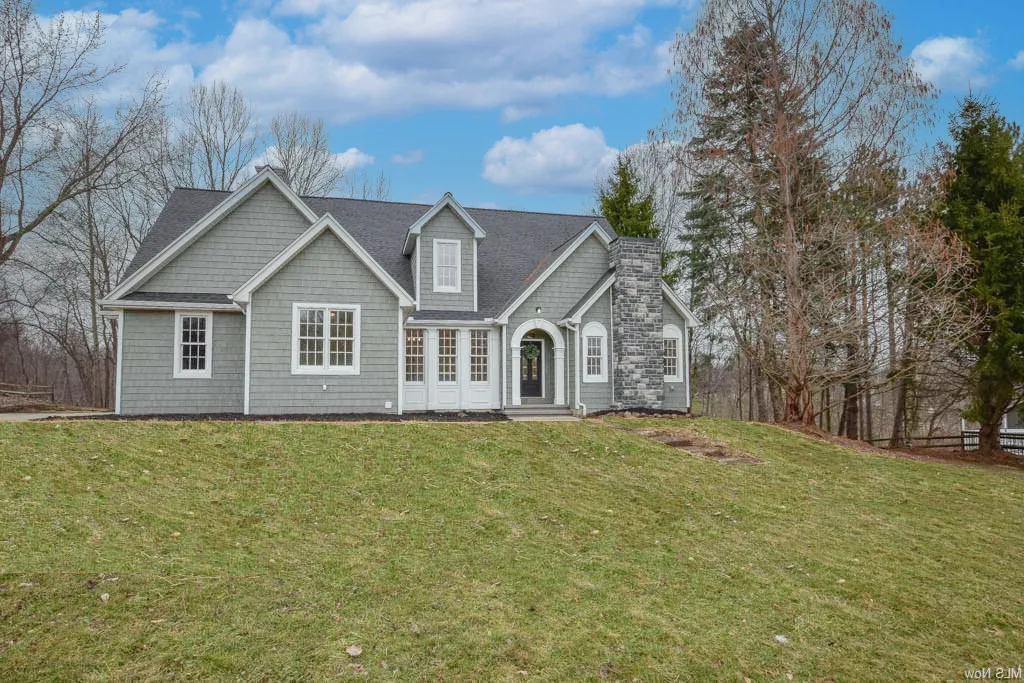
Seville has one of the stranger house stories in Ohio. Martin Van Buren Bates, the “Kentucky Giant,” stood 7 feet 9 inches. His wife, Anna Haining Swan, stood about 7 feet 11. They married in London in 1871, and in 1872 they moved to Seville, where Bates bought a 130-acre farm and built a house designed for their size, with furniture made to order.
After Anna died in 1888, Bates sold the oversized house and moved into the village. A family of ordinary height later bought the home with the 14-foot ceilings, but the original house eventually burned down. A standard house built on the site became a museum for the Seville Historical Society, and the couple are buried in Seville.
The village itself is older than the giants’ arrival. Seville was platted in 1828 and named after Seville, Spain, and its post office opened in 1830.
What Seville’s houses look like now
Seville’s housing has two layers. About 19% of homes date from 1939 or earlier, the older core around the center. But the median home was built in 1979, so most of the village is newer, built as Seville filled in over the last half century.
Other Census figures for the village:
- About 87% of homes are owner-occupied, well above Medina County’s cities.
- About 76% are single-family detached houses.
- Vacancy is low, about 2%.
- The median home value, as owners estimate it, is about $214,300.
High ownership and low turnover mean that when a Seville house does sell, it’s often been in one family a long time. Those houses tend to need the same things: a newer roof, an updated kitchen and bath, sometimes a furnace or electrical panel that a buyer’s lender will flag. If you’re settling a parent’s house, our guide to selling a house after a parent moves to assisted living and what to do with a deceased parent’s belongings may help.
The national cemetery next door
Seville is home to the Ohio Western Reserve National Cemetery, run by the U.S. Department of Veterans Affairs. Dedicated in 2000, it was the second national cemetery built in Ohio and covers 273 acres, with more than 60,000 interments. In October 2022 it bought the Rawiga Country Club to the south, adding roughly 150 acres it expects to bring into use over the next 10 to 15 years.
For a seller, that means a large piece of the land around the village is federal cemetery ground, not a future subdivision.
Village offices, taxes and schools
Seville runs its own village government from the municipal building at 120 Royal Crest Drive. A few things that come up when you sell:
- Utilities. The Board of Public Affairs office (330-769-2458) handles village utility accounts. Get a final reading and clear the balance.
- Village income tax. Seville collects a municipal income tax. If you’re leaving, file the final return.
- Zoning. The village has its own zoning and planning meetings and a Board of Zoning Appeals. Additions or decks built without a permit can raise questions; see selling a house with unpermitted work.
Seville students attend the Cloverleaf Local School District, formed in 1957 when Seville, Lodi, Westfield Center, Chatham and Lafayette combined their schools. The village has a Medina County District Library branch.
Selling your Seville house directly
If your Seville home is updated and you have time, listing it will usually bring a higher price than a cash offer. If it needs work, belongs to an estate, or you need to close by a set date, a direct sale avoids the repairs and showings. Estates here go through the Medina County Probate Court; the county’s courts, fees and septic rules are on our Medina County page. Ask for a written offer when you’re ready.