
A canal town that became a steel town
Massillon’s housing was built in two waves: canal-era growth in the 1800s and steel-mill growth in the 1900s. Thomas Rotch founded Kendal in 1812, James Duncan recorded the Massillon plat in 1826, and the Ohio and Erie Canal reached the town from Cleveland in 1828.
Steel came later. Central Alloy merged into Republic Steel in 1930, and by 1959 Republic’s Massillon works employed nearly half the city’s workforce. The main Republic plants had closed by 2002, and the population has hovered around 32,000 ever since its 1970 peak of 32,539.
For a seller, that history shows up in the housing:
- The median build year is 1957, and about a third of homes predate 1940.
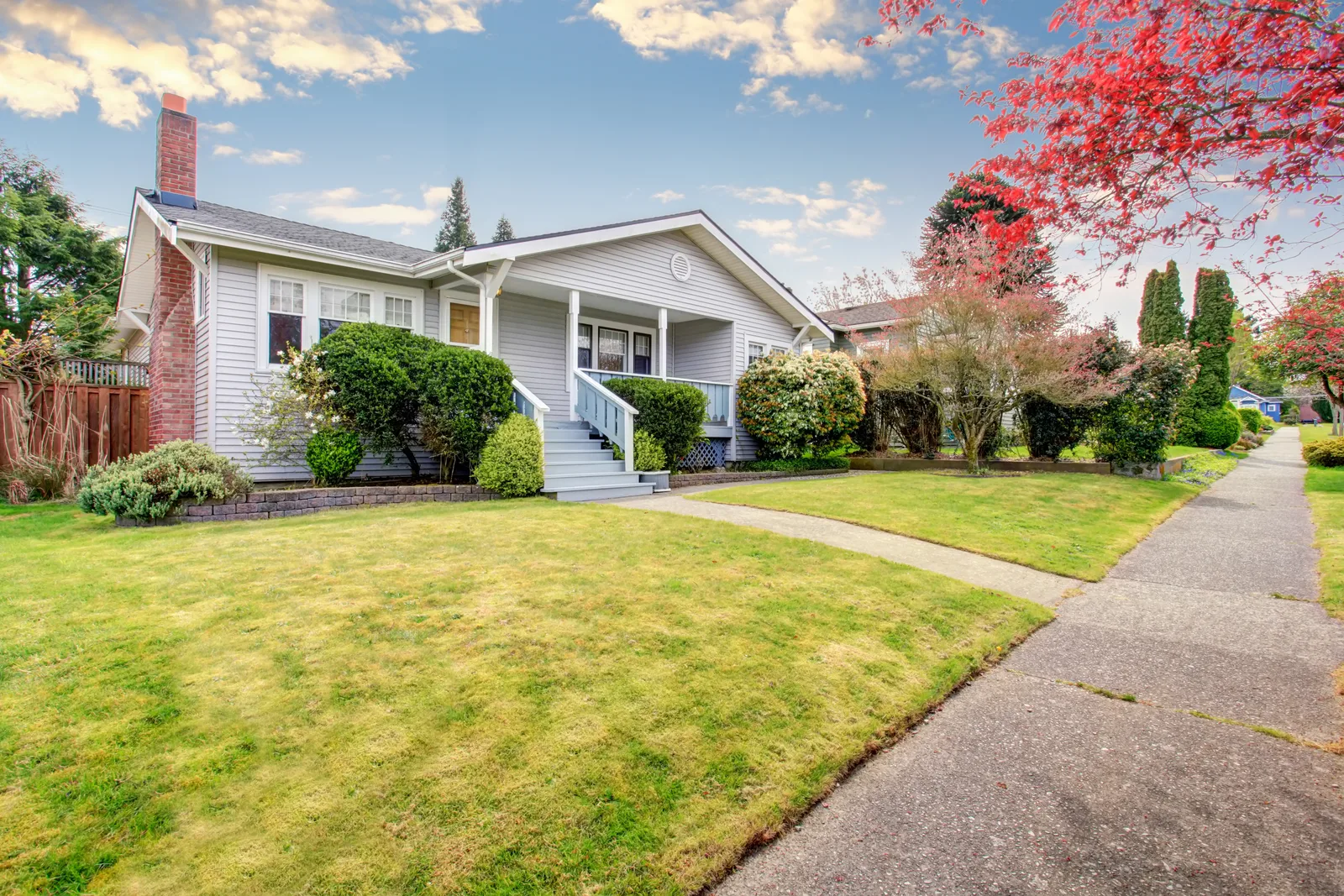
- About 73% of homes are detached single-family houses, and roughly 3% are mobile homes.
- Owners live in about 65% of homes, so Massillon is more owner-occupied than Canton.
Sippo Heights, Walnut Hills and Massillon’s other neighborhoods
Massillon has more named neighborhoods than its size suggests: about 28, from Amherst Heights and Charity Rotch to Wellman and Westadaro. Others include Sippo Heights, Walnut Hills, Kendall Heights, Moffitt Heights, Colonial Hills and Chestnut Hills.
Most of the city sits in the western half of Perry Township, with a corner in Jackson Township. US 30 and US 62 pass through, along with state routes 21, 172, 241, 236 and 93, and I-77 bypasses the city to the east with interchanges on US 30, SR 21, SR 241 and SR 172.
Two landmarks still define the place. Paul Brown Tiger Stadium, built by the WPA and finished in 1939, seats 16,884 for Washington High football. Spring Hill, the Rotch-Wales family home, tells the city’s Underground Railroad history.
Massillon’s vacant building and foreclosure registries
Massillon is one of the Stark cities that tracks empty and foreclosed buildings, and the rules apply to houses, not just storefronts.
- Vacant building registration (Chapter 1331). Passed as Ordinance 53-2019, it applies to all residential and non-residential buildings in the city.
- Foreclosure property registry (Chapter 1323). Passed in 2017, it registers properties in foreclosure and sets maintenance duties while they sit vacant.
City officials have also floated tougher penalties for non-residential owners, with a fee that would double every year and a $1,000 fine for failing to register (News 5 Cleveland). If your Massillon house is empty, see selling a vacant house. If a foreclosure has started, selling a house in foreclosure explains the timeline, and Stark County’s sheriff-sale rules are on the Stark County page.
Four school districts inside one city
Not every Massillon address is in Massillon City Schools. The city is split among four public districts:
| District | Where it applies |
|---|---|
| Massillon City | Most of the city, including Washington High |
| Perry Local | Some Massillon streets |
| Jackson Local | Some Massillon streets |
| Tuslaw Local | Western Massillon |
The R.G. Drage Career Technical Center serves Massillon and western Stark County. Because district lines affect what buyers will pay, check yours on the county auditor’s parcel record before you set a price.
When a Massillon house should be listed instead
A well-kept house on a quiet street in Massillon will usually sell well with an agent, and we’d tell you so.
A direct sale is worth a look when an older house needs several big-ticket repairs, when a rental has a tenant in place, or when a vacant house is collecting registration notices. For a house built before 1978, the lead paint disclosure guide explains what you have to tell a buyer. You can see how our offers work before deciding.