
Older than Akron
Middlebury was founded in 1807 on the Little Cuyahoga River, 18 years before Akron, and stayed its own community until it merged with the city in 1872. It sits directly east of the University of Akron, bordered by the old Goodyear headquarters, now the East End project, and Summa’s Akron City Hospital.
The village began as a mill town around Joseph Hart and Aaron Norton’s grist mill, then made pottery, sewer pipe and brick from local clay. Goodyear was founded here in 1898, and the rubber boom brought what Signal Akron calls an explosion of house building. After the industry declined in the 1970s, most of that early 20th-century housing became rental property.
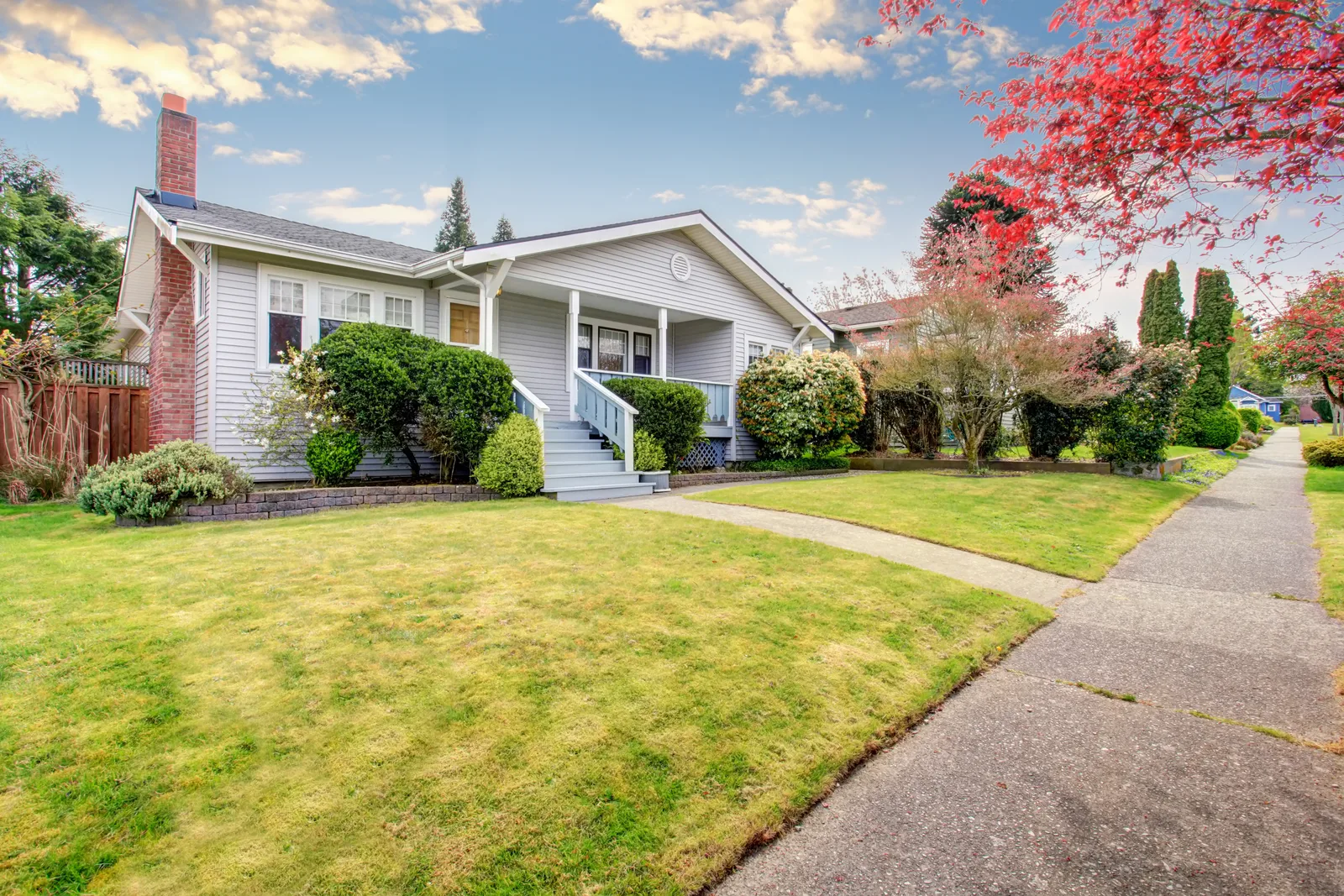
Its houses are the oldest in the city as a group. Wikipedia’s neighborhood article, citing city data, says Middlebury has the highest share of pre-1940 housing of any Akron neighborhood, with some building from 1940 to 1980 and little new construction since.
About 6,075 people live on 1.54 square miles. Of the neighborhood’s 2,226 housing units, 68% are rented and 32% are owner-occupied.
Disinvestment, then a slow comeback
Signal Akron’s 2025 profile describes decades of trouble: low owner occupancy, blighted buildings and blocks shared with a small cluster of scrapyards. A local nonprofit director described the mix as “generational” owners who have held houses for generations, alongside many rooming houses and transitional housing.
The turnaround is visible:
- The Well CDC on East Market Street has rehabbed and restored more than 90 blighted homes.
- A former nursing home became apartments with the Alexander Pierce restaurant downstairs.
- An old car dealership is slated to become Akron’s first modern food hall by 2027.
- The Goodyear sign was relit, and Jewett Park was rebuilt with neighbors’ input.
Two sisters who moved to Upson Street as children in the 1950s now own houses a few doors apart on the same street, though their childhood home is gone. They say the street is more transient now, with more renters, but new owners keep arriving.
Selling an old Middlebury house
Most Middlebury sellers we expect to hear from fall into three groups: heirs of long-time owners, landlords with older rental houses, and owners whose houses need more work than they can afford. A century-old house can need a lot before a lender will finance a retail buyer.
What to check first:
- Title. Generational ownership often means a deceased parent is still on the deed. See how to sell a house in probate in Ohio.
- Tenants and registration. Rooming houses and rentals need to meet city rules; see the Akron rental registration guide.
- Taxes. Delinquent taxes can lead to a sheriff sale. Our page on selling a house with back taxes explains the payoff at closing.
Mind the history when you describe the house. A refurbished 1950 monument at East Exchange and East Market, topped with a millstone, marks Middlebury’s old public square, and buyers who love old houses often know the story.
If your house has been rehabbed, the neighborhood’s momentum may help a listing. If not, Bob can walk it and explain his number line by line.