
A trolley town that became part of Akron
Kenmore grew up along the trolley line between southwest Akron and Barberton. Named after Kenmore House in Virginia, it developed fast between 1910 and 1920 and incorporated as a self-sufficient city with its own doctors, lawyers and churches. Kenmore Boulevard was its main street. In 1929, Kenmore’s residents asked to be annexed by Akron.
Manchester Road, which traces the old Portage Path, runs along the neighborhood’s edge, and Signal Akron calls it the oldest-traveled road in Akron. I-277 and US 224 cut through the middle of Kenmore today.
The 2017 city map made Kenmore bigger. It absorbed the old Rolling Acres neighborhood, named for the mall that opened in 1975, closed in 2008 and was demolished between 2016 and 2019 to make way for an Amazon fulfillment center.
The boulevard and what’s changing
Kenmore Boulevard was added to the National Register in 2019, the first Akron neighborhood business district to earn that. The National Park Service record lists Jacobean and Elizabethan Revival buildings with a period of significance from 1900 to 1947.
The strip is coming back. A business owner who opened there in 2021 said the boulevard had seven businesses then and more than 20 now, including music shops, the Rialto Theatre, comics and games stores and a tea house. BLVD First Fridays draw families. Several other projects are under way:
- a new Pfeiffer Community Learning Center, combined with Miller South School for the Visual and Performing Arts, on the old Kenmore High School site
- $150,000 in court, playground and lighting work at Prentiss Park, home of Kenmore Youth Football since 1959
- a city redevelopment plan for about 41 industrial acres south of West Wilbeth Road
Newer arrivals are part of the change. A family-run used car and tire business moved to Kenmore from East Akron in 2018 and opened the East Ave Market & Gallery in the same building, and a fourth-generation resident who came back says his question is how to get young people to Kenmore.
The same business owner was blunt about the economics: “a lot of people don’t have money here.”
Selling a Kenmore house from the boom years
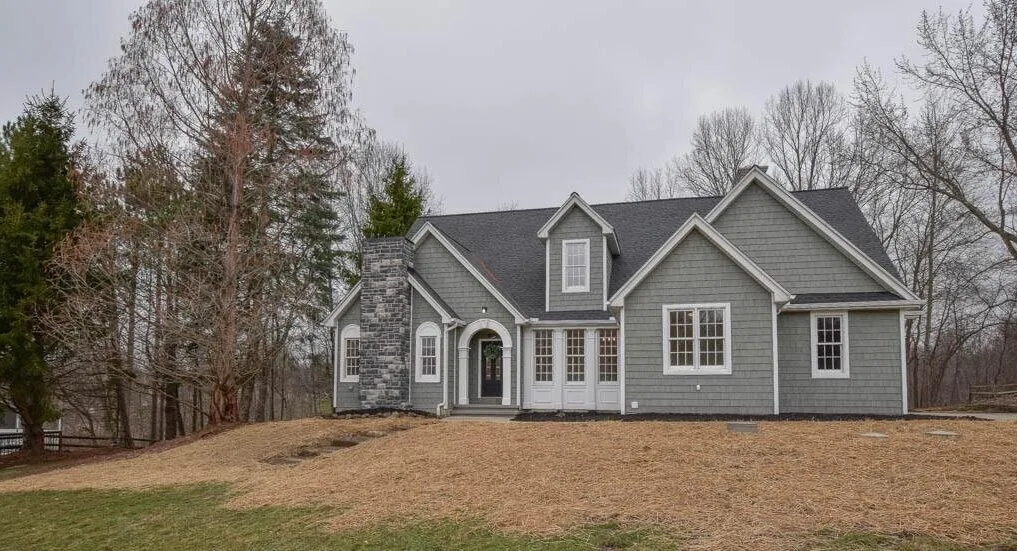
Most Kenmore housing is detached houses, 79.4% of units in the city’s 2021 neighborhood profile, and much of it dates from the neighborhood’s 1910s growth. A buyer’s inspector will look hard at the basics on a house of that age: the roof, the electrical service, the furnace, the basement walls.
If your house is updated, the boulevard’s revival and the new school may help a listing. If it needs work, a direct sale lets you skip repairs you may not get back at Kenmore prices. Landlords should check the city’s rules in our Akron rental registration guide. Owners dealing with an older house’s electrical problems can read selling a house with old wiring. For the citywide numbers, see the Akron housing market guide.