
Two towns and a gristmill
Magnolia is two 1830s settlements joined into one village. In 1834 Richard Elson and John W. Smith laid out a town in Stark County’s Sandy Township. In 1836 Isaac Miller platted Downingville across the line in Carroll County’s Rose Township, named for the Downes family. The two merged on February 1, 1846, and took the name Magnolia from Magnolia Mills, the local gristmill.
The mill is still the center of town. Richard Elson built it in 1834 beside the Sandy and Beaver Canal, and the Elson family kept it for 171 years until the Stark County Park District bought it in 2005. The five-story red Magnolia Flouring Mills was added to the National Register of Historic Places in 2000. The park property at 261 Main Street includes a stretch of the old canal, its water rights and Dam No. 6, and public tours are usually held during Canal Days in early August.
The county line runs through the village
Because Magnolia straddles Stark and Carroll counties, two houses a few blocks apart can deal with different county offices. On the Stark side, the deed and taxes go through Canton, and an estate goes to the Stark County Probate Court (our Stark County probate guide explains how a house is sold there). On the Carroll side, the Carroll County auditor, treasurer and probate court handle the same steps.
Septic rules line up more than they differ. Stark County requires an inspection of any household sewage system before transfer. A 2025 title-company list shows Carroll County requires one too, at about $350, with the well inspection optional.
Magnolia’s housing
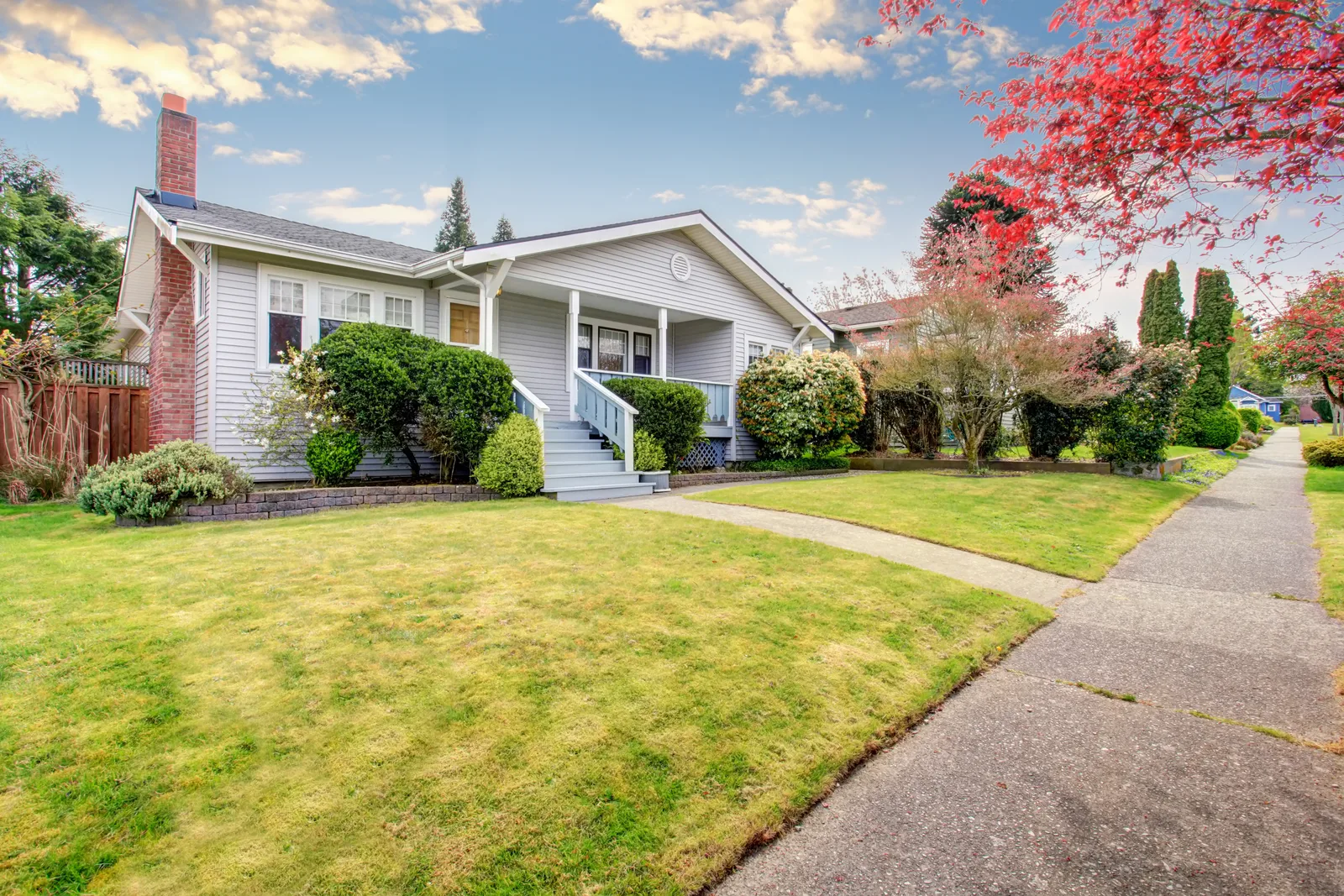
Magnolia is mostly owner-occupied single-family homes. Census estimates for 2020-2024:
- About 512 housing units.
- A median year built of 1948, with about 38% built in 1939 or earlier.
- About 89% single-family detached and no mobile homes in the estimate.
- About 81% owner-occupied and about 7% vacant.
- A median home value of about $164,600 (owner estimate), above Waynesburg’s and East Sparta’s, and a median gross rent of about $746.
With most homes owner-occupied, a Magnolia house that’s been kept up will often sell well on the open market, and listing may be the right call. A direct sale is worth comparing when the house needs real work, or when an heir lives far away and doesn’t want to manage repairs and showings. See selling a house that needs work.
Sandy Creek and the levee
Magnolia sits on Sandy Creek at the junction of State Routes 183 and 542. The Muskingum Watershed Conservancy District built the Magnolia Levee to protect the town, and Wikipedia ties it to the Bolivar Dam flood-control project. The conservancy district describes Bolivar as a dry dam, which holds water back only during high water.
If your basement or yard has taken water, a buyer will want to know. Tell them what happened and when, and keep any repair receipts.
Sandy Valley schools
Magnolia is in Sandy Valley Local School District, which runs three buildings on one campus. Pre-K through grade 5 moved into a new 98,000-square-foot building in September 2008, and a 178,000-square-foot middle and high school opened in January 2009. The district takes in Magnolia, Waynesburg, East Sparta and Sandyville.
When you want to know what your Magnolia house would bring as-is, request a written offer.