
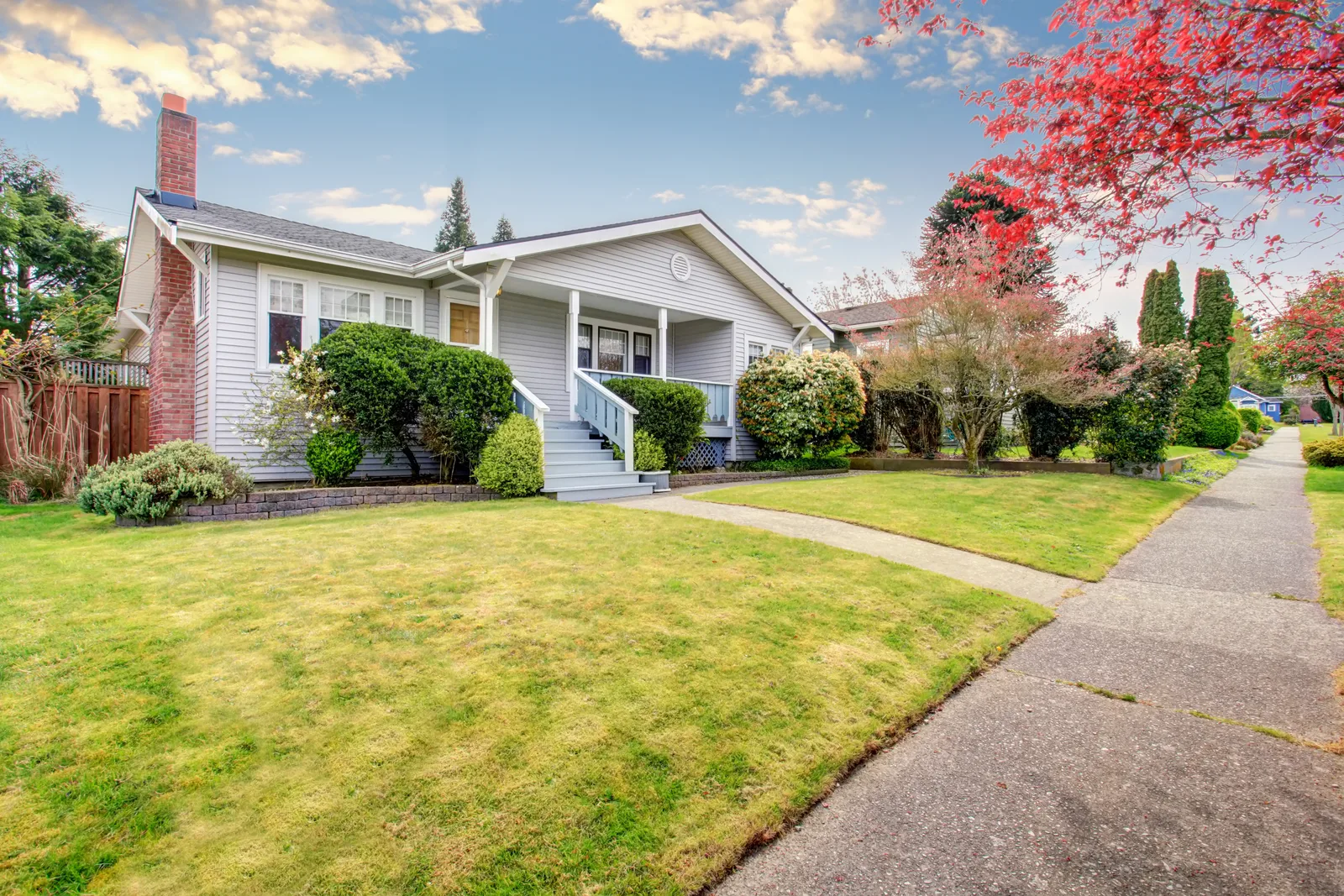
Crystal Park began as a factory workers’ suburb
Crystal Park was built to give factory workers affordable, solid houses close to their jobs, and most of what stands today dates from that boom. The City of Canton’s 2010 neighborhood plan calls it the earliest of the northeast neighborhoods, an early “suburb” with its own shops, nearby parks and two busy roads, Mahoning Road NE and Harrisburg Road NE. The workers who filled it drove Canton’s growth just before and after World War I.
Over the years it gathered churches, a school, funeral homes, stores, bars and even a bank branch. People could work, shop, worship and own a home without leaving the neighborhood.
The houses: about 1919, about 1,200 square feet
A typical Crystal Park house is a single-family home of a little over 1,200 square feet, built around 1919. The city counted about 300 residential properties left from the early development, with roughly 20 duplexes or multi-family buildings among them. Many original houses are gone, especially the smaller ones on tight lots and those fronting the main roads.
A house that age can bring a familiar list for a buyer’s inspector:
- an old furnace or boiler, and galvanized or cast-iron plumbing
- original wiring, sometimes partly updated
- a basement with water seepage or a tired foundation wall
- lead-based paint, which federal rules require you to disclose for homes built before 1978
If that list looks like your house, selling one that needs work explains what an as-is sale involves.
Who actually buys in Crystal Park
Investors have long been the main buyers here, and the city’s own numbers show it. In the six months before the 2010 plan, seven sales closed at $5,200 to $15,000, usually after about three months on the market. Five homes listed at higher prices spent an average of 231 days before the listings expired. Four of those five were listed at $40,000 or more. The plan concluded that cheaper houses eventually sold, most likely to investors, while homeowner-quality houses lingered.
Prices across Canton have moved since then, so treat those figures as history, not today’s value. The point that still holds is that many Crystal Park sellers end up dealing with an investor in the end. Getting a direct offer early lets you compare it with a listing before the house sits empty. Our Canton housing market guide has current citywide figures.
Landlords, code letters and city programs
Crystal Park has a large share of rentals, and many sellers here are landlords. Canton’s building department lists non-owner occupied registrations among the items owners can pay through its online portal. If you are selling with a tenant in place, read selling a house with tenants in Ohio first.
If you live in the house and got a city violation notice for minor exterior items, the Code Enforcement Repair Program may help. The City of Canton and Community Building Partnership run it for owners under 80% of area median income who are current on property taxes and city utilities. For bigger orders, see selling a house with code violations.
The neighborhood has its own Crystal Park Neighborhood Association, listed on the city’s association map. Nearby Nimisilla Park and Cook Park are part of what the city plan suggested promoting. If you’d like to see what a direct sale of your Crystal Park house would look like, start with how it works.